Newsletter Subscribe
Enter your email address below and subscribe to our newsletter

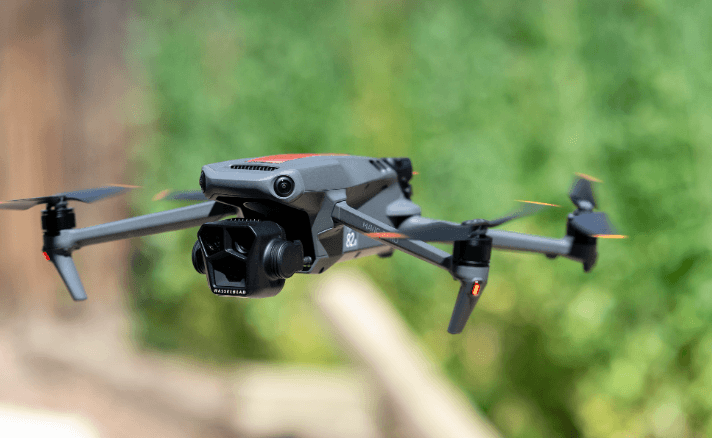
A drone, also known as an unmanned aerial vehicle (UAV), is a flying device that operates without a pilot onboard. Controlled remotely or programmed to fly automatically, drones are used for photography, videography, agriculture, surveying, security, inspections, delivery research, and recreational activities. Thanks to advances in technology, drones have become more affordable, easier to operate, and equipped with features such as high-resolution cameras, GPS navigation, obstacle avoidance, and intelligent flight modes.
Whether you are a beginner exploring aerial photography or a professional using drones for commercial purposes, understanding how drones work and what features to look for can help you make an informed decision. This guide explains what a drone is, how it works, its features, benefits, applications, challenges, and tips for choosing the right drone.
A drone is an aircraft that flies without a human pilot onboard. It is controlled using a remote controller, mobile application, or pre-programmed flight path. Drones can carry cameras, sensors, or other equipment depending on their intended use.
Modern drones are available in various sizes, from small recreational models to large commercial and industrial aircraft designed for specialized tasks.
The flight controller acts as the drone’s central system, managing stability, navigation, and movement during flight.
Electric motors spin the propellers, generating lift and allowing the drone to move in different directions.
Many drones use GPS technology to determine their location, maintain stable flight, and support automated navigation features.
Users operate the drone through a handheld controller or a compatible mobile application.
Many drones include built-in cameras for capturing aerial photos and recording high-quality videos.
Advanced drones use sensors to detect obstacles, maintain altitude, and improve flight safety.
Designed for beginners and hobbyists, these drones are easy to operate and ideal for casual flying.
Built primarily for aerial photography and videography, these drones feature high-quality cameras and image stabilization.
Lightweight and extremely fast, racing drones are designed for competitive drone racing and agile flying.
Commercial drones support advanced photography, mapping, surveying, inspections, and industrial applications.
These drones assist with crop monitoring, field mapping, and precision agriculture.
Many drones capture detailed photos and smooth videos from the air.
GPS improves navigation accuracy and supports intelligent flight features.
Sensors help detect and avoid obstacles during flight for improved safety.
Many drones can automatically return to their starting point if the battery becomes low or the connection is interrupted.
Automated flight modes simplify aerial photography by following subjects or flying along predefined paths.
Stabilization systems reduce camera shake for smoother photos and videos.
Drones capture photos and videos from viewpoints that are difficult or impossible to achieve from the ground.
Commercial users can inspect large areas more quickly than traditional methods.
For many tasks, drones reduce the need for expensive aircraft or manual inspections.
Drones can inspect hazardous or hard-to-reach locations without exposing people to unnecessary risks.
Content creators can produce cinematic footage for films, travel videos, and marketing campaigns.
Photographers use drones to capture landscapes, events, and architectural images.
Filmmakers create dynamic aerial footage for documentaries, advertisements, and movies.
Farmers monitor crops, assess field conditions, and improve farm management.
Construction teams survey sites, monitor project progress, and inspect infrastructure.
Emergency responders use drones to locate missing individuals and assess disaster areas.
Researchers observe wildlife, forests, rivers, and ecosystems from the air.
Engineers inspect bridges, power lines, towers, and buildings more safely and efficiently.
Most drones have limited flight time and require battery recharging between flights.
Strong winds, rain, and poor visibility can affect flight safety and performance.
Beginners may need practice to develop safe flying skills and camera control.
Drone operators should understand and follow local aviation laws, privacy rules, and operational restrictions.
Choose a drone based on whether you plan to use it for photography, recreation, inspections, or professional work.
If aerial photography is important, compare camera resolution, stabilization, and video recording capabilities.
Longer battery life allows more time for capturing footage and completing tasks.
Obstacle avoidance, GPS positioning, and return-to-home functions improve flight safety.
Foldable and lightweight drones are easier to transport during travel and outdoor activities.
Capture high-quality aerial photos and videos without using traditional aircraft.
Drones support industries including agriculture, construction, media, education, public safety, and environmental research.
Modern drones are easier to operate, making aerial technology available to beginners and professionals alike.
New drone technologies continue to improve camera quality, battery performance, automation, and flight safety.
A drone is an unmanned aerial vehicle that flies without a pilot onboard and is controlled remotely or through automated flight systems.
Drones are used for photography, videography, agriculture, surveying, inspections, research, emergency response, and recreational flying.
Yes. Many beginner-friendly drones include automated flight modes, GPS stabilization, and safety features that make learning easier.
Flight time depends on the drone model, battery capacity, weather conditions, and flying style. Most consumer drones provide enough flight time for typical recreational and photography sessions before requiring a recharge.
Drone regulations vary by country and region. Operators should understand local aviation rules, registration requirements, and flight restrictions before flying.
Drones have transformed aerial photography, filmmaking, agriculture, construction, inspections, and many other industries by providing affordable and efficient access to the sky. With features such as GPS navigation, intelligent flight modes, obstacle avoidance, and high-quality cameras, drones offer valuable tools for both recreational users and professionals. By considering your intended use, camera quality, flight time, portability, safety features, and local regulations, you can choose a drone that delivers reliable performance and helps you capture stunning aerial perspectives safely and effectively.