Newsletter Subscribe
Enter your email address below and subscribe to our newsletter

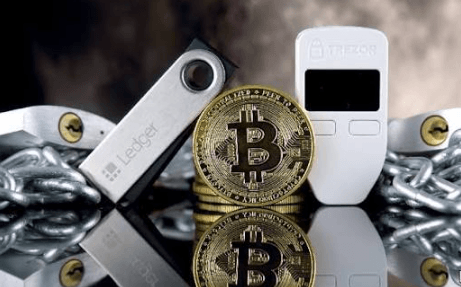
Safely storing cryptocurrency requires a governance-driven approach that defines threat models, risk tolerances, and clear objectives guiding every decision. A balance of hot wallets for rapid access and cold storage for long-term custody should align with the user’s risk posture. Build a security toolkit with seed phrase management, multi-location backups, and auditable procedures. Daily routines and tested incident playbooks ensure containment and continuous improvement, but the path forward will demand disciplined choices under evolving threats.
Defining Safe Crypto Storage begins with articulating the threat model and setting explicit goals. This approach introduces a conceptual framework for security, guiding governance decisions and resource allocation.
A rigorous risk assessment identifies vulnerabilities, prioritizes controls, and clarifies acceptable exposure. By framing objectives clearly, stakeholders align protections with freedoms, ensuring resilient, auditable, and scalable safeguards throughout the storage architecture.
Hot wallets and cold storage represent two ends of a spectrum in cryptocurrency risk management, each offering distinct trade-offs between accessibility and security. The discussion assesses practicality, governance alignment, and risk tolerance, guiding readers to balance convenience with protection. hot wallets enable rapid transactions, while cold storage prioritizes long-term custody; users should tailor choices to their freedom-driven risk posture and control needs. cold storage.
Is seed phrase management the keystone of durable crypto security, and if so, what exact practices protect it from loss or compromise? The discussion outlines a governance-driven toolkit: define access rules, certify handlers, and minimize exposure. Emphasize seed phrase security and backup encryption, with layered storage, multi-location custody, and auditable procedures to balance freedom with accountability and resilience.
See also: Drone: A Complete Guide to Features, Benefits, Types, Applications, and Buying Tips
Are daily habits and routine tests the underpinnings of durable crypto security, or is ongoing incident response the true defense against both performer error and adversarial action? In governance-focused practice, individuals must codify risk-aware routines, verify incident playbooks, and stress-test detection. Secure hardware wallets and phishing defense protocols anchor resilience, ensuring timely containment, accountability, and continuous improvement under freedom-loving, prudent stewardship.
In summary, prudent crypto stewardship hinges on governance, explicit risk tolerances, and disciplined practices. A typical anecdote: a founder lost access to a hot wallet after a phishing email, but recoverable only due to multi-location backups and a tested incident playbook. The data point is clear: firms with formal threat models reduce loss exposure by a measurable margin. Thus, organizations should codify safeguards, rehearse responses, and continuously refine their toolkit to safeguard value and preserve autonomy.